The Financial Returns of the Halal Sector in Focus
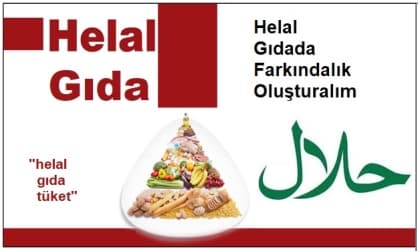
The financial returns of the halal sector took center stage. Speakers noted that the halal sector has become a global industry and highlighted its financial returns. Building awareness of halal products was cited as a core objective.
The most economical production and consumption is production and consumption that meets recognized standards. Producing and consuming to standards is therefore both a national duty and a human duty. It enables resources to be put to their best use. Alongside advances in production technology and the rapid pace of globalization, standards have become the common language of international trade. Applying standards delivers significant financial returns to companies and to governments.
"Our full effort is focused on building awareness in the halal food and halal product sector."
SMIIC's work is concentrated mainly on halal food and halal products. This scope must be extended to every sector in which the member states have a requirement.
Expectations and demands from Muslim countries must be factored into making halal standards more widely adopted in food, tourism, cosmetics, textiles, and related sectors.
Muslim consumers expect their requirements to be met through reliable certification bodies. With close to 400 halal logos now in circulation, the obligation on reputable certifiers has grown. Muslim countries need to raise their presence across every sector and claim a larger share of the wealth generated globally.
According to data from the Organization of Islamic Cooperation, Muslim countries account for roughly 2.5% of global research spending, with the patent share at about half that figure. The number of people working in science and research is well below the global average.
Picked for You
Related Articles

ISO 27001 vs GDPR: Why an ISMS Certificate Is Not Legal Compliance
Read More →
What a Verified Carbon Report Wins You: Tenders, Exports and ESG Eligibility
Read More →